Discover how respite care for mental health supports recovery outcomes, eases caregiver burnout, improves stability, and strengthens long-term healing
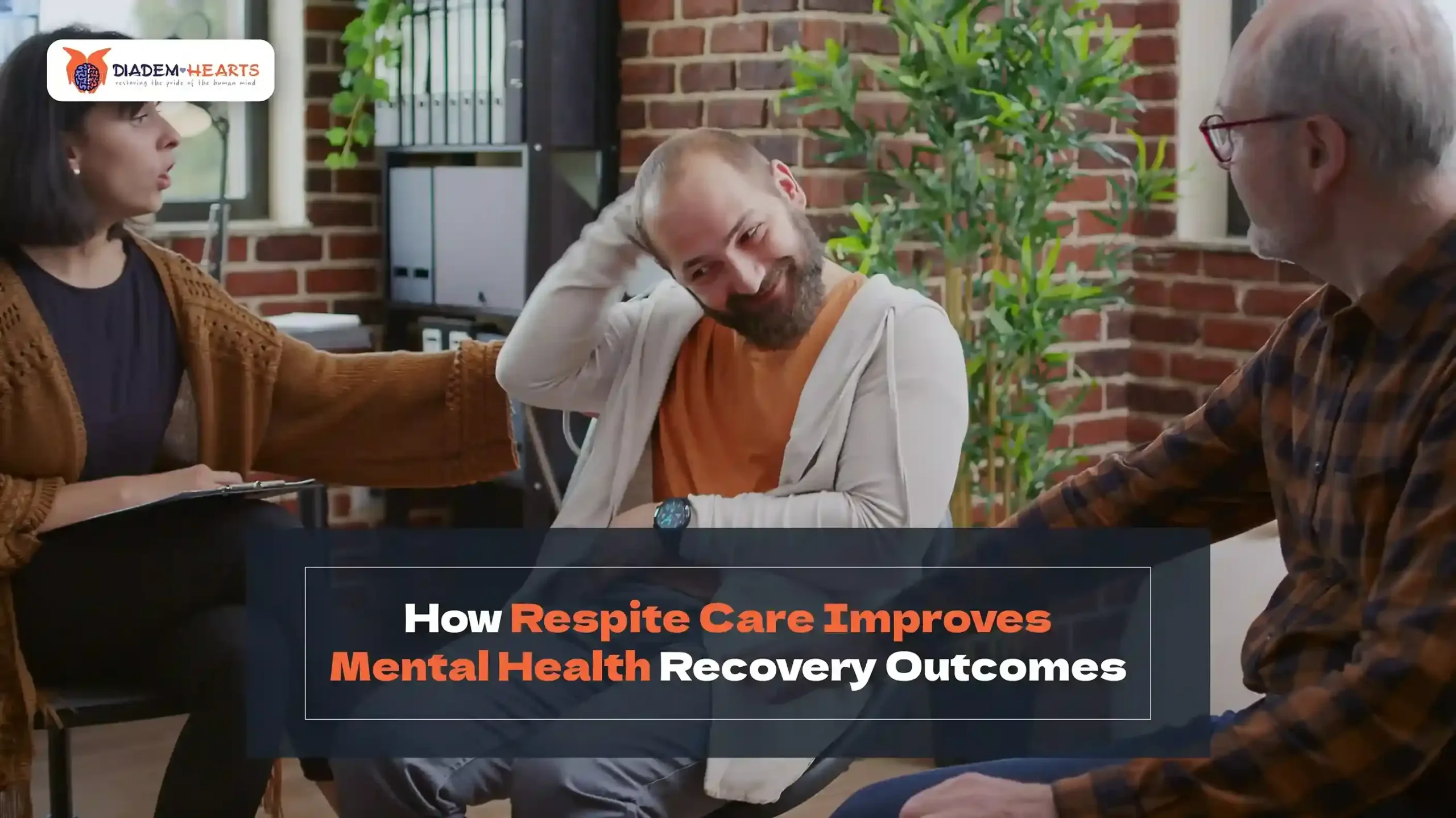
Mental health recovery is not a linear journey. Individuals navigating anxiety, depression, trauma, or substance-related challenges often require consistent care, structure, and emotional support over time. At the same time, families and caregivers face increasing stress, burnout, and emotional fatigue while supporting their loved ones. This is where respite care for mental health plays a critical role in improving recovery outcomes for everyone involved.
Respite care provides short-term, supportive relief that strengthens long-term recovery by ensuring continuity of care, emotional stability, and structured support. Rather than interrupting treatment, mental health respite care enhances recovery by creating balance between professional support and family involvement.
This blog explores how respite services support healing, why they matter for individuals and caregivers, and how respite care strengthens mental health recovery support services.
Understanding Respite Care for Mental Health
Respite care for mental health refers to temporary, planned care designed to support individuals experiencing mental health conditions while giving caregivers time to rest, reset, and recover. Unlike emergency or crisis care, respite services are proactive, supportive, and focused on stability, emotional safety, and continued treatment engagement alongside broader mental health recovery services.
Mental health respite care can take many forms, including short-term residential support, supervised living environments, or structured care settings that align with existing treatment plans. These services are especially valuable during transitional phases of recovery or periods of heightened stress.
Respite services do not replace therapy or treatment; they reinforce it by preventing burnout, relapse, and emotional exhaustion.
Why Mental Health Recovery Requires Structured Support
Mental health recovery depends on consistency, emotional regulation, and access to supportive environments. When individuals lack stable support, recovery can stall or regress. At the same time, caregivers who are overwhelmed may struggle to provide consistent assistance, even with the best intentions.
This is where mental health respite care offers a practical solution. By providing temporary structured support, respite care creates space for:
- Emotional recalibration
- Reduced stress exposure
- Reinforced coping mechanisms
- Continued engagement with recovery goals
Rather than creating disruption, respite care restores balance, an essential element of sustainable recovery.
Benefits of Respite Care for Mental Health Recovery
The benefits of respite care for mental health extend beyond temporary relief. These services improve outcomes by addressing emotional, psychological, and environmental factors that influence recovery.
Emotional Stability and Reduced Stress
Respite care offers individuals a calming, structured environment where emotional triggers are minimized. Reduced stress supports better emotional regulation, improved sleep, and stronger coping responses.
Preventing Caregiver Burnout
Caregivers play a vital role in recovery, but constant caregiving can lead to exhaustion, anxiety, and resentment. Caregiver respite care for mental health allows caregivers to rest without guilt, strengthening their ability to provide long-term support.
Improved Treatment Engagement
When individuals feel supported rather than pressured, they are more likely to remain engaged in therapy, medication management, and recovery routines. Respite services reinforce accountability while reducing emotional strain.
Reduced Risk of Relapse or Crisis
Mental health recovery is vulnerable to setbacks, especially during stressful periods. Respite care acts as a preventive measure, offering stability before issues escalate.
Respite Services for Mental Health Patients: A Recovery Bridge
Respite services for mental health patients function as a bridge between different stages of care. Whether transitioning from inpatient treatment, adjusting to independent living, or navigating life stressors, respite care helps maintain momentum in recovery.
Rather than isolating individuals, respite environments emphasize connection, routine, and emotional safety. These services often work alongside broader mental health recovery support services to create continuity of care across recovery phases.
Through structured daily routines, professional oversight, and supportive interaction, respite care reduces uncertainty and promotes emotional resilience.
Supporting Families Through Respite Care
Mental health challenges affect entire families, not just individuals. Respite care support for families creates healthier family dynamics by reducing emotional strain and restoring balance.
When families receive support, communication improves, boundaries become healthier, and trust is rebuilt. Family members return refreshed, emotionally present, and better equipped to engage in the recovery process.
Respite care is not a sign of failure, it is a proactive, compassionate choice that protects both caregivers and loved ones.
How Respite Care Strengthens Mental Health Recovery Outcomes
Respite care improves recovery outcomes by addressing the full ecosystem of mental health support. Recovery does not happen in isolation; it depends on environments, relationships, and emotional capacity.
Key recovery improvements include:
- Greater emotional regulation
- Improved self-awareness
- Reduced family conflict
- Stronger adherence to treatment plans
- Lower relapse risk
By supporting both individuals and caregivers, respite care reinforces recovery from multiple angles.
Respite Care and Transition Periods in Mental Health Recovery
Transitions are one of the most fragile stages of mental health recovery. Moving from structured treatment into independent or semi-independent living can be overwhelming without proper support.
Respite care provides stability during these transitions by reinforcing routines, monitoring emotional wellbeing, and offering guidance during adjustment periods. When combined with programs like Diadem Hearts and transition assistance services in texas, respite care becomes a powerful stabilizing tool.
These services help individuals adapt at a sustainable pace rather than rushing recovery.
Respite Care as Part of Comprehensive Mental Health Support
High-quality recovery services do not rely on a single intervention. Instead, they integrate multiple supports to create long-term success. Respite care complements therapy, peer support, residential programs, and family services.
When aligned with residential mental health services in texas, respite care fills critical gaps by offering flexibility and continuity. Together, these services ensure individuals are supported at every stage of recovery.
Programs like mental health recovery services emphasize compassion, dignity, and long-term wellbeing values that align naturally with respite care.
Choosing the Right Respite Care Approach
Not all respite services are the same. Effective respite care should be:
- Structured yet flexible
- Supportive, not clinical-overwhelming
- Aligned with treatment goals
- Integrated with family involvement
When these elements are present, respite care enhances not interrupts mental health recovery.
Families and individuals benefit most when respite services are customized to individual needs, cultural considerations, and long-term recovery plans.
The Long-Term Impact of Respite Care on Mental Health Recovery
Respite care is often viewed as short-term support, but its impact is long-lasting. By preventing burnout, reducing stress, and reinforcing recovery routines, respite care contributes to healthier outcomes months and even years later.
Recovery becomes sustainable when individuals feel supported without dependence, and caregivers feel empowered instead of overwhelmed. This balance is the foundation of lasting mental health recovery.
Conclusion: Respite Care as a Recovery Essential
Respite care for mental health is not an optional add-on, it is a vital recovery support that strengthens individuals, families, and care systems alike. Through emotional stabilization, caregiver relief, and structured continuity, respite care improves mental health recovery outcomes at every level.
When integrated with comprehensive mental health recovery support services, respite care becomes a catalyst for healing, resilience, and long-term stability.
For individuals and families navigating mental health challenges, respite care represents hope, balance, and sustainable recovery.