Anxiety disorders form some of the most common mental health scenarios, but many people in this category suffer from the problem even after receiving regular or conventional treatment. This condition is known as treatment-resistant anxiety and is characterized by several …
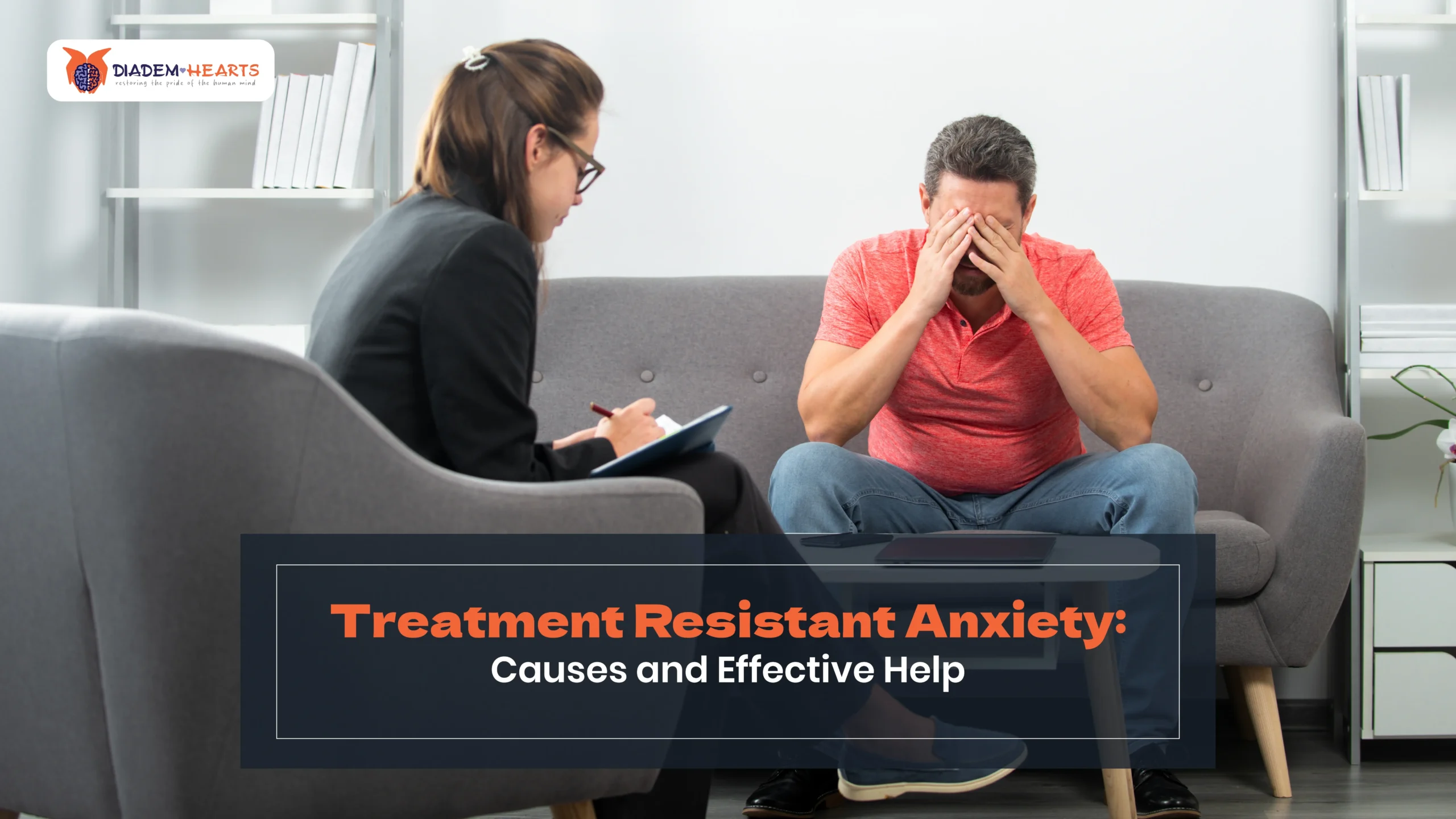
Anxiety disorders form some of the most common mental health scenarios, but many people in this category suffer from the problem even after receiving regular or conventional treatment. This condition is known as treatment-resistant anxiety and is characterized by several factors. It is important to get to the bottom of why regular methods are failing in such cases so that other alternatives can be considered. This blog tries to cover everything regarding treatment-resistant disorders.
What Is Treatment-Resistant Anxiety?
Treatment resistant anxiety symbolizes indications that continue even after satisfactory evidence-based interventions which include proper medication dosage and duration or structured psychotherapy. It varies from a partial response, where some improvement happens, versus non-response, where symptoms remain largely unaffected.
It has the potential to affect different conditions such as generalized anxiety disorder, panic disorder, and social anxiety disorder. Precise diagnosis and sufficient treatment duration are grave, as misclassification or prematurely stopping therapy may misleadingly suggest resistance rather than an incomplete or improperly targeted treatment approach. You have to understand the difference between Therapist and Psychiatrist for better treatment of anxiety.
Why Anxiety Treatment Sometimes Doesn’t Work
Treatment resistant anxiety often rises from multiple interacting factors, including diagnostic, biological, behavioral, and factors related to lifestyle choices affecting treatment outcomes.
Misdiagnosis or Overlapping Conditions
Treatment resistant anxiety could be caused by misdiagnosis or other basic disorders such as post-traumatic stress disorder, depression, attention deficit hyperactivity disorder, and obsessive-compulsive disorder. Physical illnesses like hormonal problems and hypothyroidism could also mimic the effects of anxiety or make them worse which lead to unproductive therapy.
Inadequate Treatment Trials
Resistance to treatment for anxiety disorders is caused by inappropriate drug therapy that may be because of incorrect dosage, shorter duration, or inconsistent administration among others. Without correct exposure to the process of treatment, indications may persist making one believe that there is resistance when, in reality, there is no optimum method used for the procedure.
Biological Factors
Anxiety that is resistant to treatment may represent signs of biological inconsistency such as neurotransmitter balance and genetics. This is due to the fact that the neurotransmitter system is more complicated than serotonin and includes other neurotransmitters like dopamine, GABA, and glutamate.
Psychological and Behavioral Factors
Anxiety disorders that are treatment-resistant have much to do with mental procedures, including avoidance mechanisms and negative thinking patterns. Such fundamentals can strengthen the cycle of anxiety which interpret that conventional treatment is less effective without the use of suitable interventions.
Lifestyle and Environmental Triggers
Inadequate sleep, persistent anxiety, and the influence of the environment are the factors which can weaken the treatment resistant of anxiety. Besides, certain substances such as caffeine and alcohol may have an influence on deteriorating symptoms or minimizing the efficiency of treatment options.
Signs Your Anxiety May Be Treatment-Resistant
Symptoms persist even after repeated attempts using several successful treatments which is one of the factors that suggest whether someone is suffering from resistant anxiety or not. This shows that there is little or no change at all despite the numerous options tried for dealing with anxiety.
Additionally, patients experiencing anxiety that is resistant to treatment may suffer from the recurrence of symptoms shortly after discontinuing the use of the drugs and also experience impairment in their ability to perform daily tasks. Consequently, this may lead to emotional fatigue and even hopelessness.
What Actually Helps: Evidence-Based Strategies
Managing treatment-resistant anxiety requires an organized, multi-modal approach which combines accurate diagnosis, enhanced treatments, and helpful lifestyle adjustments.
Re-evaluating the Diagnosis
The first step in the management of treatment-resistant anxiety is an appropriate reassessment, which involves a full mental health services, evaluation and determination of other illnesses that may coincide. This procedure guarantees that one’s therapy emphases on the right problems and not just on their symptoms.
Optimizing Medication
The successful management of refractory cases of anxiety usually requires changes in the approach to drug therapy, including class substitution, combination therapy, or the use of augmentation procedures. Proper dosage, administration time, and evaluation of responses allow the tailoring of drug treatment due to individual biological transformations in patients.
Psychotherapy Approaches
Structured forms of psychotherapy are very important for the management of treatment-resistant anxiety. The cognitive-behavioral therapy, acceptance and commitment therapy, and the exposure approaches aim to address the dysfunctional beliefs and avoidance mechanisms in order to support individuals to cope with their condition.
Advanced and Emerging Treatments
New treatments, including mindfulness-based therapies, brain modulation through TMS, and ketamine therapy, have been introduced for cases of resistant anxiety. These types of treatments use diverse neurological targets which make them feasible choices for people who cannot professionally be treated with traditional methods.
Lifestyle Interventions
Poor sleeping patterns, failure of physical function, and excessive consumption of stimulants may exaggerate the condition because fluctuations in lifestyle are crucial when handling resistant anxiety. The significance of confirming that one enjoys appropriate sleeping patterns, participates in physical activities, eats nutritious foods, and implements coping mechanisms cannot be overemphasized.
When Anxiety Coexists with Depression
In cases where there is a presence of anxiety and depression, the management of the condition is made more complicated since the presence of the symptoms may be concealed and influence treatment. In such cases, it calls for a combination of the two disorders for effective treatment.
Combining medication therapy and counseling therapy has proven successful in the management of the disorders. It helps manage both anxiety and depression and reduces the chances of recurrence.
Practical Steps You Can Take Right Now
Taking proactive, structured steps can help individuals better manage treatment-resistant anxiety and improve overall treatment outcomes effectively.
Track Symptoms and Treatment Response
Ensuring regular symptom monitoring is essential to manage treatment-resistant anxiety. Recording mood fluctuations in an organized format, causes, and responses to medicines or therapy supports identifying all together what works and what does not. This is helpful to enable more informed clinical decisions and supports adjustments to treatment strategies over time.
Communicate Openly with Your Doctor
Open and honest communication with healthcare providers is important to address treatment-resistant anxiety. Sharing and discussing symptom fluctuations, side effects, and treatment apprehensions permits for timely adjustments through respite care services. Transparency settles that treatment strategies remain aligned with patient requirements and advances the possibility of achieving better therapeutic outcomes.
Seek a Second Opinion if Needed
Seeking a second opinion can offer new perspectives on the management of treatment and diagnosis, if treatment-resistant anxiety continues. Another clinician may recognize unnoticed factors or suggest additional and alternative therapies. This step can be instrumental in complicated cases where initial treatment approaches have not shaped sufficient or sustained improvement.
Build a Support System
A strong network of support plays an important role to cope up with treatment-resistant anxiety. Support from family, friends, or peer support services can also minimize isolation and offer emotional stability. Engaging with others also facilitates adherence to treatment plans and fosters resilience during challenging periods of ongoing symptom management.
Hope and Long-Term Outlook
Although the condition is known as treatment-resistant anxiety disorder, it is not a disease that cannot be cured but a form of anxiety where different methods must be applied or adjusted. It takes time before an individual can recover because recovery from the disease is a gradual process.
How Diadem Hearts Support with Treatment-Resistant Anxiety
Diadem Hearts delivers support for people who suffer from anxiety disorders resistant to treatment using a helpful and scientific method to mental illness that stresses detailed diagnosis and personalized treatment strategies. Specialists apply effective methods of therapy, constant supervision, and emotional reassurance to direct patients dealing with tough anxiety symptoms towards better working and improved quality of life.
FAQs
How long should anxiety treatment be tried before considering resistance?
Frequently, several weeks to a few months of dependable and properly dosed treatment.
Can stress alone cause persistent anxiety symptoms?
Yes, chronic stress can keep anxiety even without fundamental disorder progression.
Does exercise really help anxiety symptoms?
Regular exercise minimizes stress hormones and advances mood regulation naturally.
Can poor sleep worsen anxiety treatment outcomes?
Yes, sleep disruption significantly reduces emotional resilience and treatment response.
Is lifestyle change enough without medication?
For mild cases, sometimes yes; moderate to severe cases usually need combined care.