
Non-Emergency Medical Transportation (NEMT) is a key factor in the provision of healthcare services to patients that will allow them to stay safe and on time. It is intended to meet non-emergency medical care, therapy, dialysis and other medical requirements. …
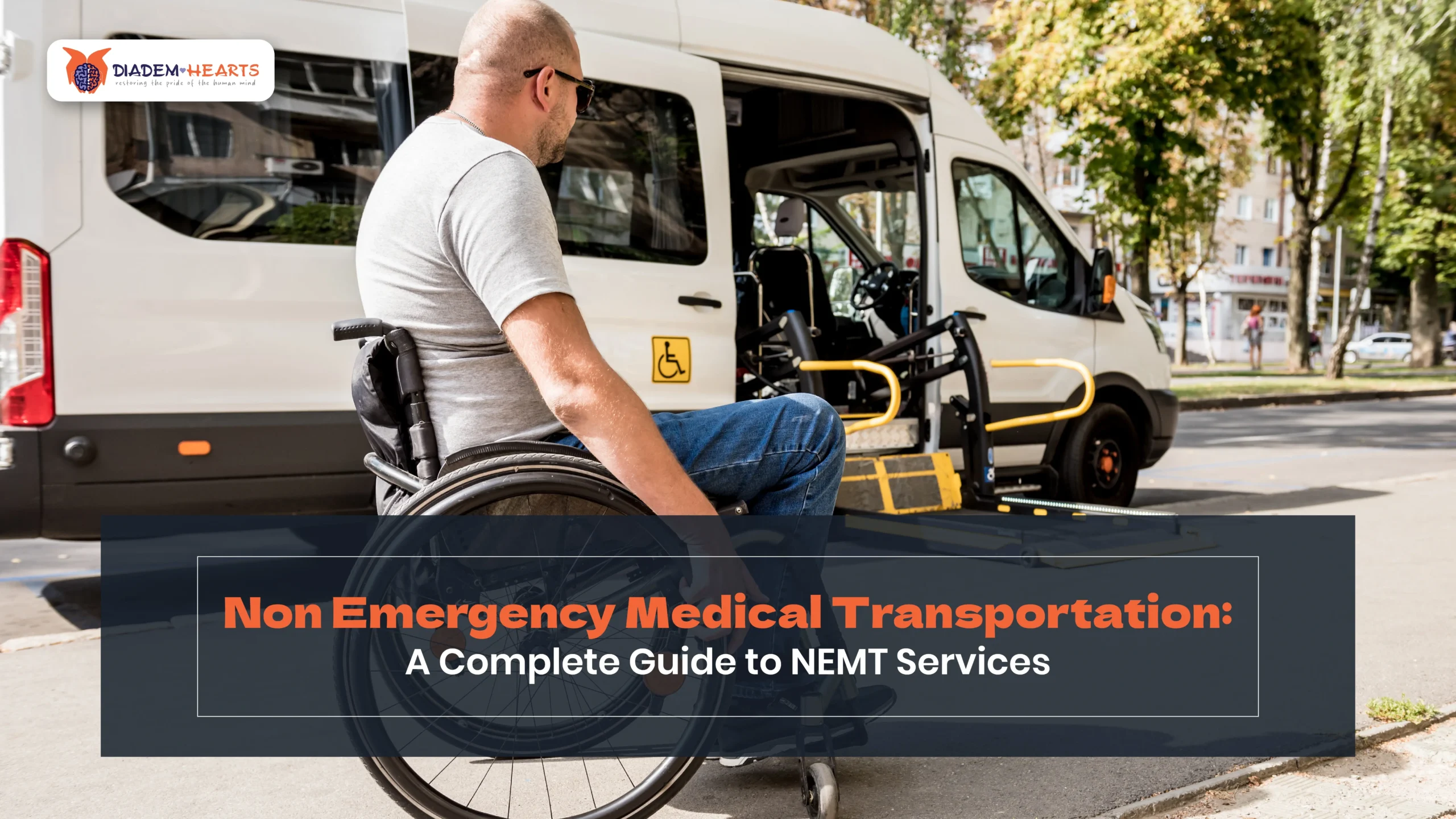
Non-Emergency Medical Transportation (NEMT) is a key factor in the provision of healthcare services to patients that will allow them to stay safe and on time. It is intended to meet non-emergency medical care, therapy, dialysis and other medical requirements. It is a lifeline to many seniors, people with disabilities, or who lack reliable transportation. This minimizes missed appointments, and leads to better health outcomes.
This blog discusses all the information you would need to know about Medicaid non-emergency transportation such as what it is, who is eligible to receive the services of non medical transportation, what are the various types of non-emergency transportation services that Medicaid covers, and how non medical transportation Medicaid coverage works. The advantages of non-emergency medical transportation use, suggestions on how to select a good provider and the answer to the most frequent questions will also be discussed to make wise choices.
What Is Non-Emergency Medical Transportation (NEMT)?
Non-Emergency Medical Transportation (NEMT) refers to safe and reliable transportation services to a patient who has to travel to a medical facility or receive medical treatment without necessarily having an emergency. It provides access to healthcare in a timely manner, minimizes the number of missed appointments, and serves the needs of persons who drive themselves or have no other means of transportation. Individuals receiving peer support services often rely on Non-Medical Transportation to attend group meetings and community-based recovery activities.
Definition of NEMT
Non-Emergency Medical Transportation is a category of professional transportation applied to patients in need of non-emergency medical services to enable them to transport patients safely to their appointments, therapy, dialysis or hospital visit without emergency treatment.
Difference Between Emergency vs Non-Emergency Transportation
Emergency transport is used when there is an urgent situation, which is life threatening, and non medical transport is a scheduled medical transport issued when there is no need to be attended to urgently.
Common Situations Where NEMT Is Used
The patients make use of non-medical transport services for the purpose of scheduling routine visits for treatment, dialysis, hospital discharge, and vaccinations, among other non-emergency visits to the healthcare facility. Non-medical transportation plays a vital role in how respite care services improves mental health recovery outcomes by ensuring individuals can reliably access respite services, therapy, and supportive care without transportation barriers.
Examples (Doctor Visits, Dialysis, Therapy, Hospital Discharge, etc.)
Doctor visits, dialysis, physical or occupational therapy, mental health visits, and trips to hospitals during discharge can all be covered by Non-Emergency Medical Transportation and patients will be safely delivered to their destination on time.
Who Needs NEMT Services?
Non-Emergency Medical Transportation helps many individuals to obtain healthcare in a safe manner. Older adults, people with disabilities, and patients with no dependable means of transportation are the ones that gain a lot when offered with the opportunity to have rides to medical appointments and treatments.
Medicaid non emergency transportation services are also relied upon by the medicaid beneficiaries and rural community residents. The populations tend to experience some transportation constraints and as such, accessing health services in time is challenging without professional, reliable and available non-medical transportation services.
Types of NEMT Services
The Non-Emergency Medical Transportation (NEMT) is a service that provides patients with particular needs with safe, reliable, and comfortable vehicle transportation to healthcare facilities to visit hospitals, seek treatment, or leave the hospital. Following are types of non-medical transport services:
Ambulatory Transportation
Ambulatory transportation offers transportation services to patients that are able to walk or with little assistance. This non-medical transportation service ensures the timely arrival and, at the same time, ensures that it is safe and convenient to visit the clinics on a daily basis.
Wheelchair-Accessible Vehicles
The transport that can accommodate wheelchairs are for patients who cannot walk or those who walk with the aid of supportive devices. These NEMT services ensure safe and comfortable transportation, and access to healthcare is easily improved without the family or the public transport.
Stretcher Transportation
Stretcher transportation applies to the patients that require being transported in a lying position. Non-Emergency Medical Transportation will ensure that these people are able to travel safely to hospitals or other therapy centers that are properly medicalized.
Door-to-Door Service
The door-to-door service collects the patients at their homes and transports them directly to appointments. This means of transport is convenient and removes the issue of accessibility.
Curb-to-Curb Service
Curb-to-curb service is safe pickup and drop-off at the closest one available. Non medical transportation services are feasible and stress free since it is guaranteed that the patients are in time to attend appointments by NEMT providers.
Moreover, non-medical transportation also plays an essential role in how community mental health services support inclusion and recovery by ensuring individuals can consistently access community programs, therapy sessions, and support services without transportation barriers.
How Medicaid Non-Emergency Transportation Works
Medicaid Non-Emergency Medical Transportation (NEMT) will give eligible patients the opportunity to attend their healthcare appointments without any worries. This program will ensure that patients receive safe and timely transportation to prevent no-show appointments and will help improve health outcomes at the community level. For illustration, Non-Medical Transportation supports clients attending Substance Use Disorder treatment by ensuring reliable travel to counseling, therapy, and recovery programs.
Medicaid Coverage Overview
Medicaid Non-Emergency Transportation Organization provides rides to and from medical appointments, therapy, and treatment facilities that are approved. NEMT makes sure that beneficiaries do not have to struggle to get the necessary healthcare because of transportation issues.
Eligibility Requirements
Patients have to be Medicaid beneficiaries and have to succeed state-specific requirements to receive Medicaid non-emergency transportation. The eligibility will make sure that rides are offered to the needy.
How to Schedule a Ride
Setting NEMT generally requires calling your transportation broker or Medicaid provider. Early warning and adequate record keeping assist in the provision of non-emerging medical transportation services in a timely manner and consistency.
State-Specific Variations
The NEMT services differ depending on the state, which may involve coverage regulations, ride restriction, and approved transportation providers. You should never make appointments without looking at the Medicaid Non-Emergency Transportation policies in your state.
Required Documentation
Medicaid Non-Emergency Transport normally dictates evidence of eligibility, appointments, and medical requirements. With proper documentation, nothing can go wrong in terms of scheduling and access to safe and reliable rides.
Benefits of Non-Medical Transportation Services
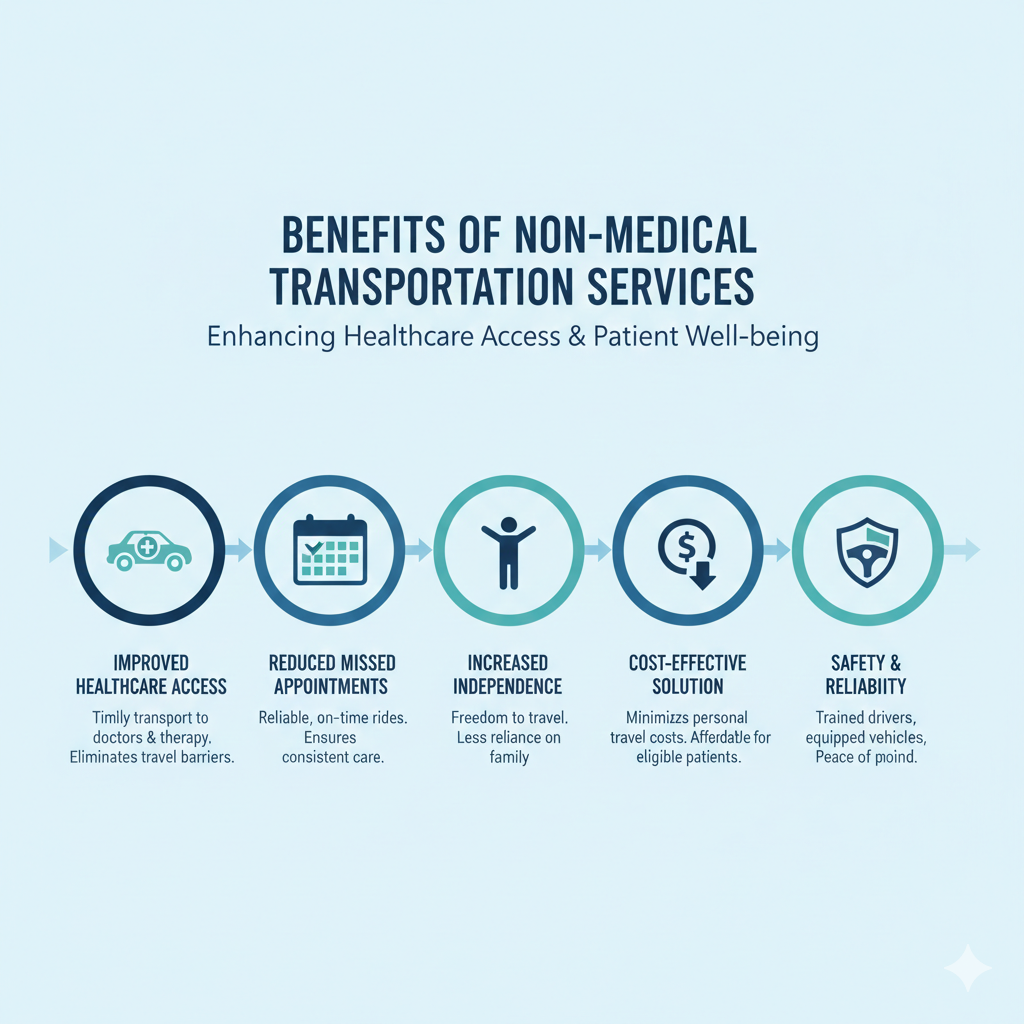
Non-Emergency Medical Transportation (NEMT) and non-medical transportation services give patients effective, reliable, and safe means of accessing healthcare appointments. These services enhance better health results with less stress on patients and caregivers.
Improved Healthcare Access
The transportation aspect of Medicaid non-emergency allows the patients to visit the doctors, therapy, or treatment facilities in time. The non medical transportation services eliminate the barriers to travel and healthcare availed to disabled individuals, seniors, and a beneficiary of Medicaid.
Reduced Missed Appointments
Through quality NEMT, patients will not miss crucial medical appointments. Non-medical taxi services ensure rides on time, which ensures uniform care and a positive health outcome.
Increased Independence
Non emergency medical transportation gives patients the option of travelling and not having to use family or transportation. These non-medical transport services enable people to have independence, which is characterized by freedom and confidence when visiting the appointment safely.
Cost-Effective Solution
NEMT and the non-medical transport services minimize personal expenses to do with the use of private rides or taxis. Under the Medicaid Non-Emergency Transportation coverage, there is also affordable access to medical care among the qualified patients.
Safety and Reliability
Non emergency medical transportation providers have found the issue of patient safety a priority that includes trained drivers and vehicles that are properly equipped. The non-medical transportation services offer reliable and timely transportation thus comfort and peace of mind throughout the journey.
How to Choose a Non-Emergency Medical Transportation Provider
The choice of the appropriate Non-Emergency Medical Transportation (NEMT) guarantees comfortable, safe, and efficiency of the ride. Selecting an authoritative provider will positively impact the patient experience, minimize lost visits, and improve access to healthcare.
Licensing and Certification
Make sure that NEMT provider is licensed and certified. Medicaid non-emergency transport companies licensed in the state comply with the state regulations, which assure safe, professional and legal transportation services.
Vehicle Safety Standards
Ensure that the cars are safe, clean, and fitted with different requirements. The non emergency medical transportation services should have secure and reliable vehicles to transport patients.
Driver Training and Background Checks
Strict training and background checks should be undertaken on drivers. The NEMT drivers are qualified to make the patients travel safely without violating mobility requirements, confidentiality, and professional care standards.
Insurance Coverage
Checking insurance cover secures passengers, drivers, and vehicles. Coverage is important when opting with a non emergency medical transportation to safe rides without any worry.
Reviews and Reputation
Take into account reviews, testimonials, and reputation online. Responsible Non-Emergency Medical Transportation services have always been available to offer timely, safe, and reliable rides to the patients and Medicaid beneficiaries.
How to Schedule and Use NEMT Services
Using the steps, it is easy to schedule Non-Emergency Medical Transportation (NEMT). To book a ride, call your provider or Medicaid broker, give appointment details and special needs. New customers are to verify pickup and drop-off points, approximate time of arrival and mobility requirements. People should also make plans in advance because when they book, they are assured of their availability, particularly in cases of regular appointments. In case you need to cancel, or postpone, inform the provider early enough so as not to miss the rides. When riding with NEMT, you can expect trained drivers, well-equipped transport, and comfortable and safe transportation to your health care appointment.
Tips for Maximizing Your NEMT Experience
Optimizing Non-Emergency Medical Transportation (NEMT) may enhance safety, comfort, and reliability. Here are ten practical tips:
- Check your riding schedule and time of appointment.
- Before your trip, you should collect all the documents, insurance cards, and ID.
- Carry mobility aids, e.g. walkers or wheelchairs, easily.
- Inform your provider about any special need or medical equipment.
- Be at the pickup point at least a few minutes early.
- Wear comfortable clothes and dress to suit the weather during the ride.
- Make it clear to the drivers when it is necessary to make a stop or get some help.
- Get schedules to avoid conflicts by pre-setting rides.
- Have a phone that should be used to communicate with drivers or the provider.
- Share feedback or reviews to assist in the better of NEMT services of others.
Challenges in the NEMT Industry
Even though Non-Emergency Medical Transportation (NEMT) has advantages, the industry has a number of obstacles to service delivery and access that include:
- The availability of Medicaid Non-Emergency Transportation services can be limited by limited funds.
- The complicated time management logistics can result in the patient being delayed or missing a ride.
- The rural regions usually have about lapses in NEMT, and the patients are left with fewer alternatives.
- Different states have different regulatory compliance requirements hence the management of providers becomes more difficult.
- It may be expensive for providers to maintain a fleet of safe and reliable vehicles.
- Veteran hiring and retaining of trained drivers have an impact on consistency and service quality.
- The NEMT providers are also burdened with the complexity of organizing various healthcare facilities.
How Diadem Hearts Support with Non-Medical Transportation
Non-Emergency Medical Transportation is crucial in making sure that patients can get to critical healthcare appointments safely and in time, enhancing health results and accessibility. Diadem Hearts has been contributing to this mission by providing high-quality and dependable non-medical services that are delivered to the seniors, people with disabilities, and Medicaid beneficiaries. Diadem Hearts ensures that one can get to their appointments without stress or inconvenience through hired drivers, good cars, and at their own time. Visit their services today to have a reliable ride, improved healthcare services, and the comfort of knowing that transportation will be completely covered.
Frequently Asked Question (FAQ)
What is the difference between NEMT and non-medical transportation?
NEMT is specifically used to travel to medical appointments and non-medical is used to cover general rides that are not connected to the healthcare system.
Is NEMT covered by insurance?
NEMT is covered by Medicaid and certain insurance plans to provide it to eligible patients, although it depends on the state and policy.
How far in advance should rides be scheduled?
Rides are preferably booked 24-48 hours before to secure them.
Can family members ride along?
Most NEMT providers will accept a companion in cases where space and safety would permit it.
How much does NEMT cost without Medicaid?
In the absence of Medicaid, the price will be determined by the provider, distance, and type of service, yet some provide a discounted rate or a sliding-scale rate.