Both are regularly used in practice by many people and may be used interchangeably but there is a strong difference between the two terms. It is essential that one learns the difference to aid in identifying the symptoms, selecting an …
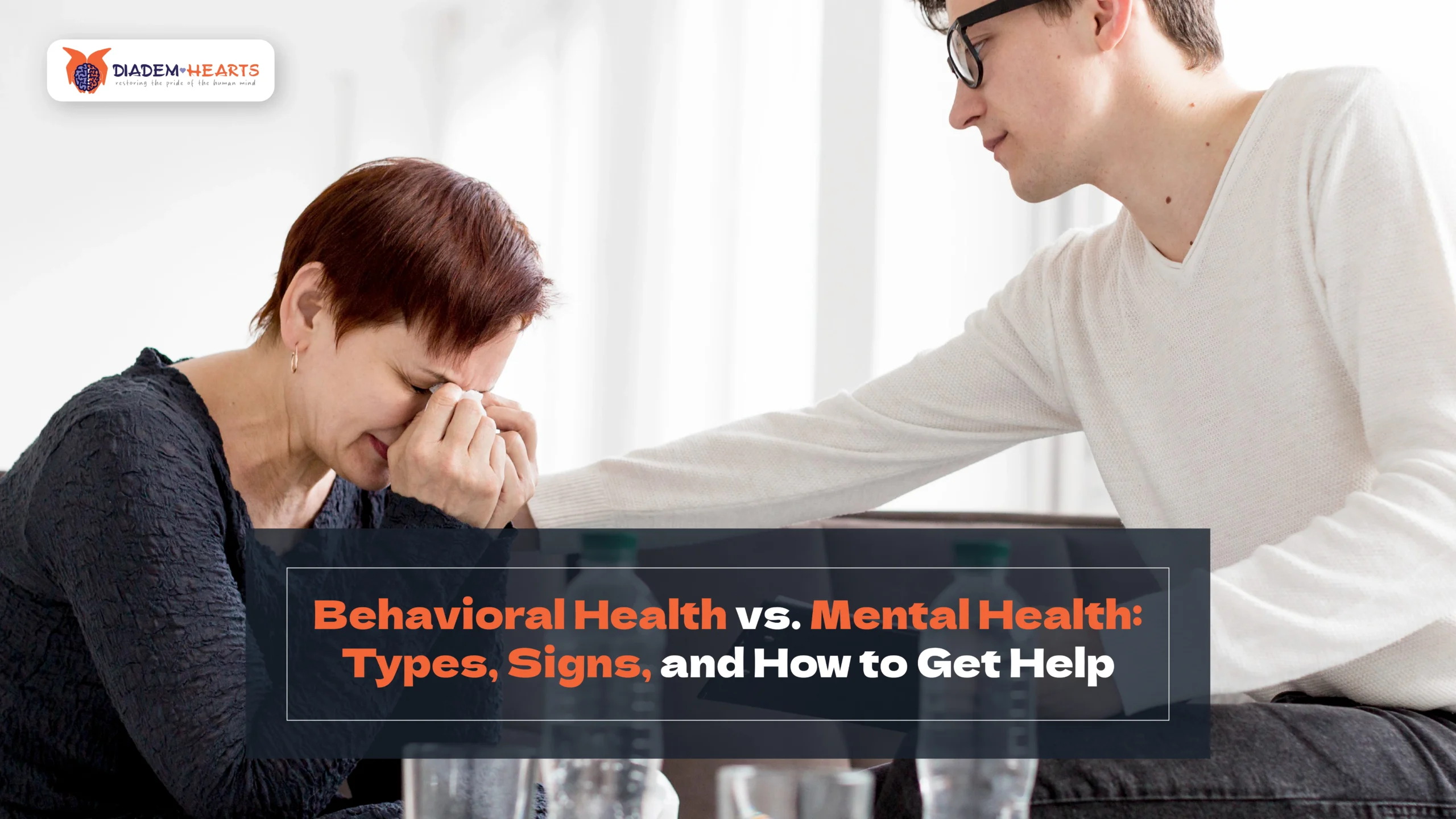
Both are regularly used in practice by many people and may be used interchangeably but there is a strong difference between the two terms. It is essential that one learns the difference to aid in identifying the symptoms, selecting an appropriate treatment plan, and improving their holistic health. The purpose of this blog is to explore the differences between behavioral health and mental health.
What Is Mental Health?
Mental health is the emotional and psychological condition of a person, and social well-being. It impacts cognitive processes, stress handling, emotions, interaction, and skills for decision-making. It is important for one to understand mental health vs behavioral health so that one knows how conditions related to emotional distress can influence their workplace, interpersonal interactions, and general life.
The confusion between behavioral health and mental health is a frequent one, and many people wonder whether behavioral health is the same as mental health. Discussion about mental well-being revolves around the inner problems of emotions and psychology of an individual in most cases. These are disorders like anxiety, depression, bipolar disorder, and schizophrenia, among others. You can learn about treatment options for anxiety that are resistant to traditional treatments by visiting this link.
What Is Behavioral Health?
Behavioral health concentrates on the relationship between behavior, habit, and overall health. Unlike mental health alone, it includes consideration of the effects of behavior like drug abuse, eating habits, sleeping habits, and coping skills on physical and psychological well-being. Understanding the concept of behavioral health aids individuals to recognize maladaptive behavior before they turn into disorders.
When comparing behavioral health vs mental health, behavioral health is different from mental health in that it has a wider coverage since it encompasses behaviors and lifestyles of people. Some common problems of behavioral health are addiction, eating disorders, self-injurious behavior, compulsions, and sleep disorders. These are likely to affect an individual mentally, emotionally, and physically.
Behavioral Health vs. Mental Health: Key Differences
Even though they are frequently confused with each other, mental health deals with thoughts and emotional health inside oneself, whereas behavioral health discusses behavior. The two require treatment from various providers, but there is much crossover between them. It’s important to distinguish between behavioral and mental health.
| Factor | Mental Health | Behavioral Health |
| Focus | Mental health centers on emotions, thoughts, and psychological wellbeing affecting stress handling and daily interactions. | Behavioral health focuses on actions, habits, and lifestyle patterns like substance use, eating, and sleep behaviors. |
| Examples | Includes depression, anxiety, bipolar disorder, PTSD, and schizophrenia affecting mood and thinking. | Includes addiction, eating disorders, self-harm, gambling, gaming, and other compulsive behaviors. |
| Providers | Psychiatrists, psychologists, psychiatric nurses, and licensed therapists treat mental health conditions. | Counselors, behavioral therapists, social workers, and addiction specialists provide behavioral health support. |
| Treatment | Therapy, counseling, medication, mindfulness, and psychiatric care depending on severity. | Behavior therapy, rehabilitation, support groups, coping strategies, and lifestyle modification programs. |
How Are They Similar?
Behavioral and psychological aspects are essential to health as well because they have an effect on emotions, relationships, physical wellbeing, and other factors. Even though behavioral and psychological issues may seem somewhat different, they share many similarities, that is why their treatment is considered from one perspective. Both problems are diagnosed and treated professionally. Peer Support services strengthen recovery journeys while helping people understand behavioral health vs mental health, behavioral health issues, and what is the difference between behavioral health and mental health through shared lived experiences.
Types of Behavioral Health and Mental Health Conditions
Conditions related to behavioral health that include damaging habits and repetitive behaviors that negatively affect wellbeing. These include substance use disorders, eating disorders, sleep disorders, self-harm behaviors, habitual actions, and coinciding conditions. These problems have an impact on emotional, physical, and social health which often require therapy, rehabilitation, and an organized behavioral intervention for effective long-standing recovery. Substance Use Disorder services address addiction recovery, helping clarify behavioral health issues, what is behavioral health, and behavioral vs mental health distinctions effectively.
Mental health conditions affect thinking, emotions, mood, and behavior which habitually interfere with daily functioning and relationships. Common disorders include anxiety disorders, conditions like depression that affect mood and bipolar disorder, psychotic disorders such as schizophrenia, conditions related to trauma like PTSD, and OCD and they all require psychological treatment, therapy, and sometimes medication management.
Personality disorders are those in which an individual has a pattern of unhealthy thoughts, behaviors, and emotions that disrupt their relationships and self-concept. In addition to behavioral and psychological disorders, there are a number of overlaps among these types of disorders and others. It is important to know about both in order to diagnose and treat them effectively.
Signs You May Need Behavioral and Mental Health Support
Alterations in daily routines, substance abuse, poor dietary choices, risk-taking behavior, or an inability to cease destructive behavior could be red flags requiring the assistance of behavioral health. In addition, health issues related to physical well-being, which are brought about by poor lifestyle choices, may warrant further examination of behavioral health challenges.
Should someone exhibit these characteristics for an extended duration of time, he/she might be suffering from any of these issues: chronic depression, anxiety, hopelessness, mood swings, and lack of concentration. An affected person may become reclusive, detached not only from his/her loved ones but also from reality. A declaration of intent to commit suicide should never be dismissed lightly. Residential Mental Health Services support recovery, helping explain mental health vs behavioral health, is behavioral health the same as mental health, and difference between mental health and behavioral health through structured clinical care.
Types of Behavioral and Mental Health Therapy
Behavioral health treatments involve working with problematic behaviors by adopting structured interventions that can enhance one’s coping abilities and change negative behavior patterns. Such programs help people overcome issues such as addictions, compulsions, and problems associated with their way of life.
The treatment of mental illnesses is achieved through the improvement of emotional and psychological well-being by means of clinical and counseling treatments. Mental health treatments can include the treatment of illnesses such as anxiety and depression through talk therapy and medication.
How to Get Help
It is very important to get assistance when it comes to behavioral and mental issues. It requires one to notice symptoms, contact experts, and make use of available support systems.
Step 1: Recognize the Signs and Acknowledge the Need
The first step is recognizing any emotional, behavioral, or psychological issues that are disrupting your daily activities. Recognizing the need for assistance is essential since this increases chances of successful intervention and helps prevent complications from worsening into something worse.
Step 2: Talk to Your Primary Care Doctor
The general practitioner is capable of evaluating any symptoms and referring you to specialists for your problem. The GP will be able to eliminate any physical issues, recommend the possible treatments, and coordinate with specialists in case of complicated situations regarding your behavior or emotions.
Step 3: Identify The Appropriate Specialist
You will need a therapist, counselor, psychologist or psychiatrist depending upon symptoms. There are distinctions between the various specialists, ranging from talk therapy to medication management. If the right provider is selected, treatment for both behavioral and mental issues will be provided effectively.
Step 4: Check Insurance and Coverage Options
Prior to treatment, check your health insurance to see what is covered. This encompasses therapy, psychiatric consultation and medicines. Financial stress and regular access to mental/behavioural health care are both reduced by having this knowledge.
Step 5: Explore Telehealth and Online Therapy Options
Telehealth submissions give people easy access to therapists and psychiatrists via online video and telephonic discussion. The online therapy process enhances access to behavioral and mental health services for those who have hectic schedules or mobility limitations and lack appropriate medical facilities nearby.
Step 6: Use Support Systems
Family support, friends and peer groups are important. These are forms of emotional support, sensitivity and shared experiences that can reduce feelings of isolation, keep them motivated, and keep them engaged in a behavioral or mental health treatment program. Community Psychiatric Support and Treatment improves wellbeing and answers what is behavioral health therapy, how does mental health differ from behavioral health, and mental vs behavioral health through ongoing community-based care.
Crisis Resources
Crisis hotlines and emergency services should be called immediately in any urgent, harm to self or severe distress situations. Provides 24/7 professional support which ensures safety and timely action to assist in mental health and behavioral health crises.
How Diadem Hearts Support with Mental Health
Diadem Hearts supports mental health by providing compassionate guidance, awareness resources, and access to professional care pathways for individuals facing emotional or psychological challenges. It focuses on early recognition of symptoms, promoting healthy coping strategies, and encouraging people to seek timely help. Through education, support programs, and community connection, Diadem Hearts helps individuals improve wellbeing and reduce stigma around mental health.
FAQs
Is behavioral health the same as mental health?
No, behavioral health includes actions and habits, while mental health focuses on emotions and thoughts.
What does a behavioral health therapist do?
A behavioral health therapist helps change harmful behaviors, build coping skills, and improve daily functioning.
Can behavioral health issues cause mental health problems?
Yes, unhealthy behaviors like addiction can worsen or trigger anxiety, depression, and emotional distress.
How do I know which type of help I need?
A professional assessment helps determine whether symptoms are behavioral, mental, or both combined.
Is behavioral health covered by insurance?
Most insurance plans cover behavioral health services, but coverage varies by provider and policy.